
Why Some Jewelry Quietly Becomes Part of Daily Life
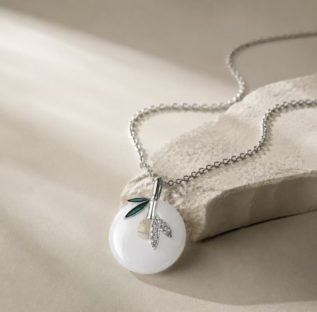
Some jewelry pieces do not create a strong impression at first glance. Natural elements such as wheat and vines are often like this. They are not visually loud or attention-seeking. Instead, they feel like a quiet extension of nature itself. Interestingly, these designs often remain part of daily life for a long time.
1. Things Closer to Daily Life Are Easier to Accept
When choosing jewelry, people are not always making complex decisions. More often, it comes down to a simple feeling: does this interfere with my daily life?
If something requires constant attention, styling, or explanation, it is less likely to stay long-term. But if it does not create extra mental load, it blends more easily into everyday routines. Natural symbols like wheat and vines often fall into this category.
2. People Are Drawn to Slow and Continuous Forms
Natural elements rarely represent sudden change. Instead, they express slow extension, gradual growth, and continuity. This “slow rhythm” often becomes more noticeable during certain life phases. Especially in fast or complex environments, people tend to prefer calmer, less intense forms.
3. What Stays Is Often What Feels Weightless
Whether something remains is not only about preference. It is also about emotional weight. For example:
- Does it require styling decisions?
- Does it require explanation?
- Does it require special occasions?
If none of these are necessary, it fits more easily into daily life. Natural symbols often exist in this low-pressure space.
4. What Is Not Constantly Noticed Becomes More Stable
Some pieces are not the center of attention, but they do not disappear. They are not frequently discussed or emphasized. Yet they remain present in many ordinary days. Over time, they shift from “a choice” to “a default presence.” And what becomes default is rarely replaced.
5. Long-Term Wear Is Often a Gradual Process
Many jewelry pieces are not kept through a single decision. They stay simply because they are always there. At first, they feel “okay.” Then they become familiar. Eventually, they no longer require conscious thought. This process is quiet but continuous.
Some people are naturally drawn to objects that do not demand attention. Not because they stand out, but because they do not interfere with life. They feel like something that can quietly become part of daily routine, rather than something that needs to be used or maintained.