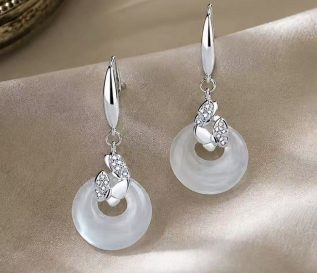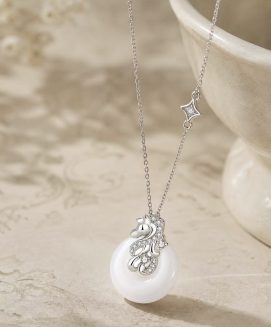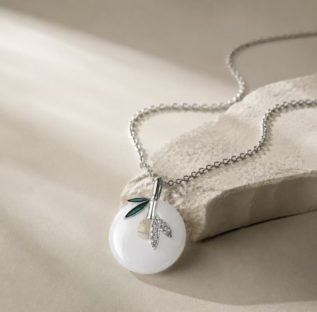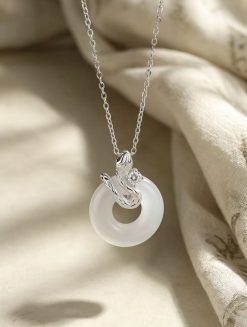
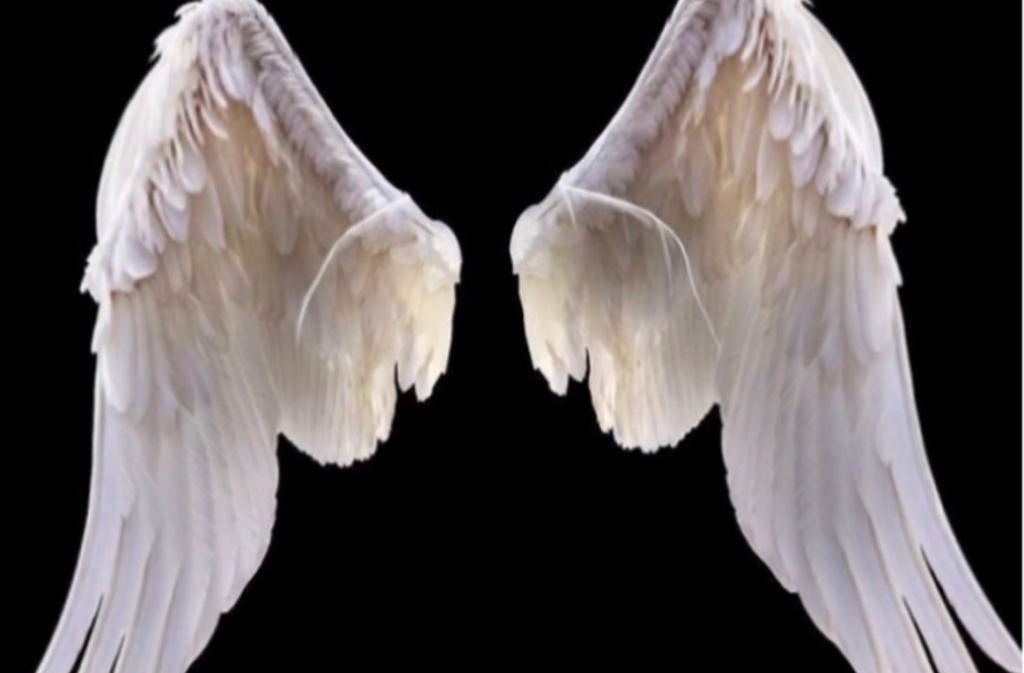
Why Wing-Inspired Jewelry Quietly Becomes Part of Daily Life
Some jewelry pieces do not create a strong impression at first glance. Wing-inspired designs are often like this. They are not complex or visually dominant. Instead, they tend to feel light, soft, or low-pressure. Interestingly, these types of designs are often the ones that remain in daily life for a long time.
1. What Stays Is Often What Does Not Interfere With Life
When choosing jewelry, people are not always consciously deciding based on preference. More often, there is a subtle feeling: does this affect my daily life in any noticeable way?
If something requires constant adjustment, styling, or explanation, it is less likely to stay long-term. But if it blends naturally into daily life without adding burden, it is more likely to remain. Wing-inspired shapes often fall into this softer category. They do not dominate appearance, but they also do not disappear.
2. Light Designs Are Easier to Keep Over Time
Whether something can be worn long-term is not only about how it looks, but also about how it feels. This “feeling” includes emotional weight. For example:
- Does it require specific occasions?
- Does it require styling decisions?
- Does it require maintaining a certain image?
If none of these are necessary, it becomes easier to keep in daily rotation. Wing-inspired designs often sit in this low-pressure space.
3. Some Symbols Do Not Need to Be Explained
The shape of wings does not have a single fixed meaning. Yet many people intuitively associate it with lightness, movement, or a sense of openness. These responses do not require explanation. They are not intellectual understanding, but subtle emotional recognition.
4. Different Life Stages Resonate With Different Forms
People do not always consciously choose certain jewelry. Sometimes they are simply more receptive to certain feelings during specific phases of life. When life feels fast or heavy, lighter forms feel more natural. When change is needed, more open or flowing symbols may feel more aligned. These shifts are usually gradual rather than intentional.
5. What Stays Is Often What Is Not Constantly Noticed
Some objects remain not because they are frequently remembered, but because they do not require attention to stay present. They do not become the center of focus, but they do not disappear either. Over time, they shift from “a choice” to “a default presence.” And what becomes default is rarely replaced.
6. Long-Term Wear Is Often Not a Clear Decision
Many pieces are not kept through a single decision. They are kept simply because they are not removed. At first, it is just an experiment. Then it becomes routine. Then it becomes part of daily life. There is often no clear turning point. Only a quiet transition into familiarity.